Artificial intelligence and automation are profoundly changing the way companies design their services, interact with their customers and manage their internal operations. What once belonged to science fiction is now a strategic reality for brands seeking to gain efficiency, responsiveness and performance.
A technological revolution in motion
Lartificial intelligence is more reserved for tech giants. It is now integrated into all sectors, from health to e-commerce, finance, industry and human resources. Combined with automation systems, it allows to optimize complex tasks, analyze massive volumes of data in real time, and above all predict behaviors to better anticipate users' needs.
The development of machine learning, natural language processing (NLP) and computer vision opens up new perspectives. With these technologies, it is now possible to:
- Automatically generate relevant and custom content,
- Automate targeted marketing campaigns,
- Improving predictive analysis for decision-making,
- Optimize logistics, inventory management or customer relationship.
Smart automation: more than saving time
Automation is not just about reducing repetitive tasks. It has become a strategic lever for improving user experience, reducing human errors and accelerating business processes. In the area of customer service, for example, AI-based chatbots provide instant and relevant 24-hour responses, while collecting useful data for commercial teams.
In the industrial sector, automated systems supervised by artificial intelligence detect failures before they occur, thereby improving preventive maintenance and reducing production shutdowns.
Large-scale customization
Another major advantage of artificial intelligence is its ability to customize the user experience on a large scale. Streaming platforms, e-commerce sites and search engines use theIA to offer ultra-targeted recommendations based on the browsing history, preferences and real-time behavior of Internet users.
This customization not only increases engagement, but also boosts conversions. This enables companies to build a more authentic relationship with their users, while optimizing their return on investment.
The limits to be framed
While AI and automation offer huge opportunities, they also raise significant challenges. The issue of ethics, transparency of algorithms and personal data management is at the heart of the debate. Moreover, the massive automation of certain professions poses major social challenges, which it is essential to anticipate.
Responsible governance, continuous team training and a long-term vision are essential to make the most of these technologies without losing sight of human and regulatory aspects.
Towards increased intelligence
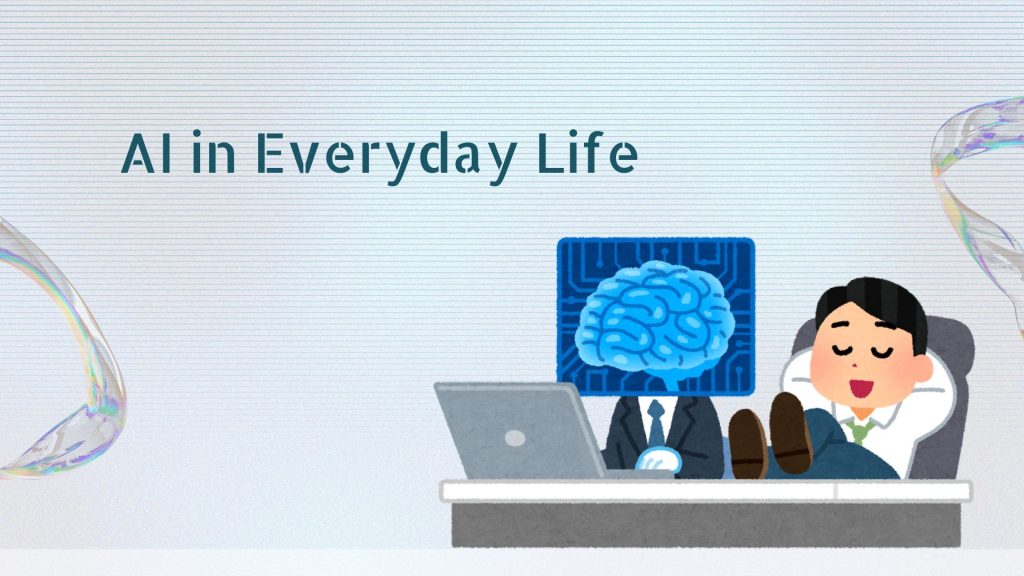
Rather than replacing humans, artificial intelligence builds capacity. Today we speak of increased intelligence: a man-machine collaboration that aims to combine human intuition, creativity and emotion with the rigour, speed and computing power of machines.
This synergy paves the way for a new era of productivity, innovation and digital transformation.
Generative IIA: a new border for content creation
The rise of general AI marks a major turning point in the digital world. It now produces texts, images, videos and even code with impressive quality. Platforms like ChatGPT, DALL·E or Synthesia revolutionize the way companies create marketing content, design interfaces or develop prototypes. This technology paves the way for faster, more personalised and more profitable campaigns, while stimulating creative innovation.
Tag: Artificial Intelligence, Automation, IA Generative, Digital Transformation, Machine Learning

